What to wear to a road race: 5K, 10K and half marathon

In a road race your clothes will not make you faster, but they can ruin your day: a chafe, a blister or too many layers weigh far more than a few seconds. Here is how to dress well for a 5K, a 10K or a half marathon.
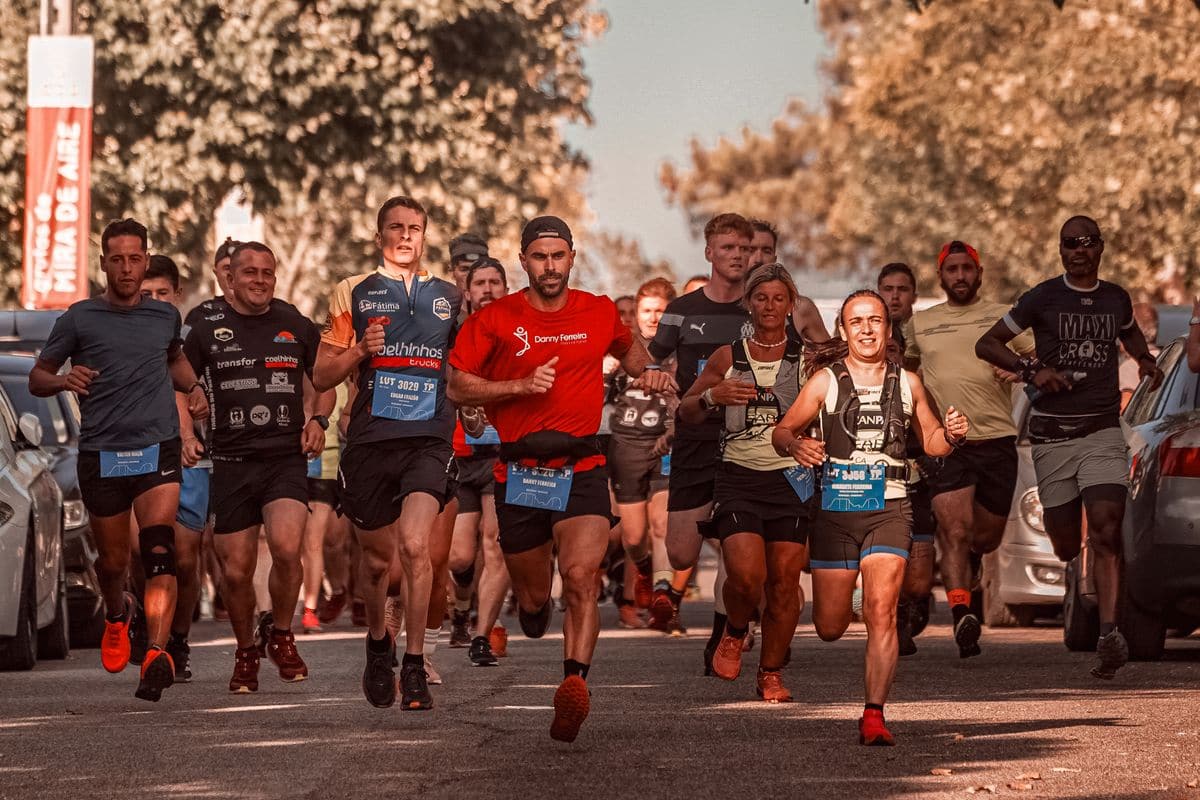
The golden rule: nothing new on race day
Everything you wear, including shoes and socks, must have been tested on at least one long run. What does not rub in 5 km can make you bleed in 15.
Top
- Technical fabric: to race choose polyester or another fabric that wicks sweat; cotton soaks up and gets heavy. Keep cotton for before and after the race.
- Flat seams and no tags that rub, especially under the arms and on the chest over long distances.
- A visible colour if you start early or after dark.
Shorts or tights
- Lined shorts or short tights prevent thigh chafing.
- A zipped pocket for keys, a gel or your phone.
Shoes and socks
- Shoes already broken in (at least 50–80 km) and a bit roomier than your street shoes: feet swell over long distances.
- Seamless technical socks; avoid cotton, which holds moisture and invites blisters.
By distance and weather
| Event | What to prioritise |
|---|---|
| 5K / 10K | Light clothes, no layers. A cap or visor if it is sunny. |
| Half marathon | Anti-blister and anti-chafe balm on risk areas, a pocket for gels, hydration according to the route. |
| Trail | Shoes with lugs, a light windbreaker, a vest or pack with water and a foil blanket (check the mandatory kit). |
| Cold or wind | A thin layer you can take off and tie around your waist. At a cold start, an old sweatshirt you leave at bag drop or toss. |
Before and after the race
Before the start it helps to stay warm while you warm up; afterwards, putting on something dry straight away stops you getting cold. A comfortable sweatshirt and a cotton tee are fine for that. The Bloomstrong store products, such as the tees, hoodies and socks, are ideal for training, warming up and that before and after of the race; to run the race itself, a technical fabric as described above is better.
The race bib
Pin the bib on the front with four safety pins, flat and not covered by a sweatshirt. If you can, put it on the top you will run in, not the one you wear while waiting for the start.
Frequently asked questions
What should I wear to a 10K road race?
A technical-fabric top, well-fitting shorts or short tights, seamless socks and tested shoes. Nothing new on race day.
Is a cotton tee good for running?
For racing a technical fabric that wicks sweat is better; cotton soaks up and can chafe. Use it for before and after the race.
How do I avoid blisters?
With broken-in shoes, seamless technical socks and, if needed, an anti-chafe balm on risk areas.
Bloomstrong tees, hoodies and socks for training and everyday life.
Visit the storeAnd your training plan, adjusted every day to how you feel:
Try the app for free